Introduction:
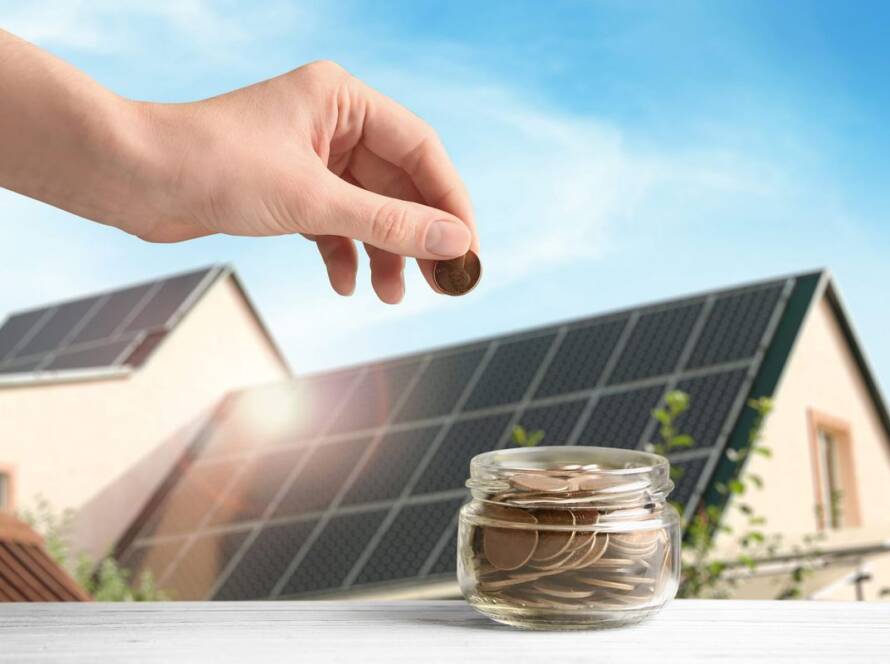
One of the first questions I had about solar was: “How long will it take for me to recover my investment?” The idea of spending ₹1–1.5 lakhs upfront felt risky. But after 6 months of using solar panels, I now understand the real return — and it’s more than just savings.
Let me break it down — in plain numbers and honest observations.
Table of Contents
ToggleWhat Does ROI Mean in Solar?
It’s the amount of time it takes to recover your initial solar investment through monthly savings. After that, you’re basically getting free electricity for the next 15–20 years.
What I Paid vs What I Save
I installed a 3kW system, which cost about ₹1.35 lakhs after subsidy.
My bill used to be ₹3,000–₹3,500/month. Now it’s around ₹400. That’s ₹30,000–₹36,000 saved per year.
Government Subsidy Helped a Lot
I applied under the PM Surya Ghar Muft Bijli Yojana, and got around ₹78,000 as subsidy.
SRV Solar helped file all documents — I didn’t even have to go to the office. This made a huge difference to the overall ROI.
My Break-Even Timeline
Here’s what it looked like for me:
Year | Savings | Total Recovered |
Year 1 | ₹30,000 | ₹30,000 |
Year 2 | ₹32,000 | ₹62,000 |
Year 3 | ₹33,000 | ₹95,000 |
Year 4 | ₹35,000 | ₹1,30,000 |
By the end of Year 4, I would have fully recovered my investment. And then it’s just long-term saving — almost ₹7–8 lakhs in 20 years.
What Affects Solar ROI?
- Location: In Chhattisgarh, we get great sun — which means better performance.
- Roof direction: South-facing rooftop helped me get more sunlight daily.
- Usage: If your bills are high, ROI is faster.
- Subsidy: Makes a huge difference — without it, ROI would take 6–7 years.
If You Also Want to know how much you can save?
👉 Book a Free ROI Estimation Call
👉 Explore EMI & Subsidy Options
FAQs
1.What if I shift homes?
You can either uninstall and take it along or rent/sell at a higher property value.
2.Can I add batteries later?
Yes. I started without them, and plan to add batteries in a year or two for backup.
3.What happens after 25 years?
Panels may work at reduced efficiency (80–85%) but still generate usable power.
Final Takeaways
ROI is not just about math — it’s also about freedom. I no longer worry about bill shocks, and my savings now go into things I actually enjoy. Looking back, it wasn’t just a smart investment — it was peace of mind.